Cold Room Container vs a Built Cool Room | SCS Australia

Buy Now & Pay Later Options Available - Learn More

Shipping Containers

Cold Room Container vs a Built Cool Room

Summary

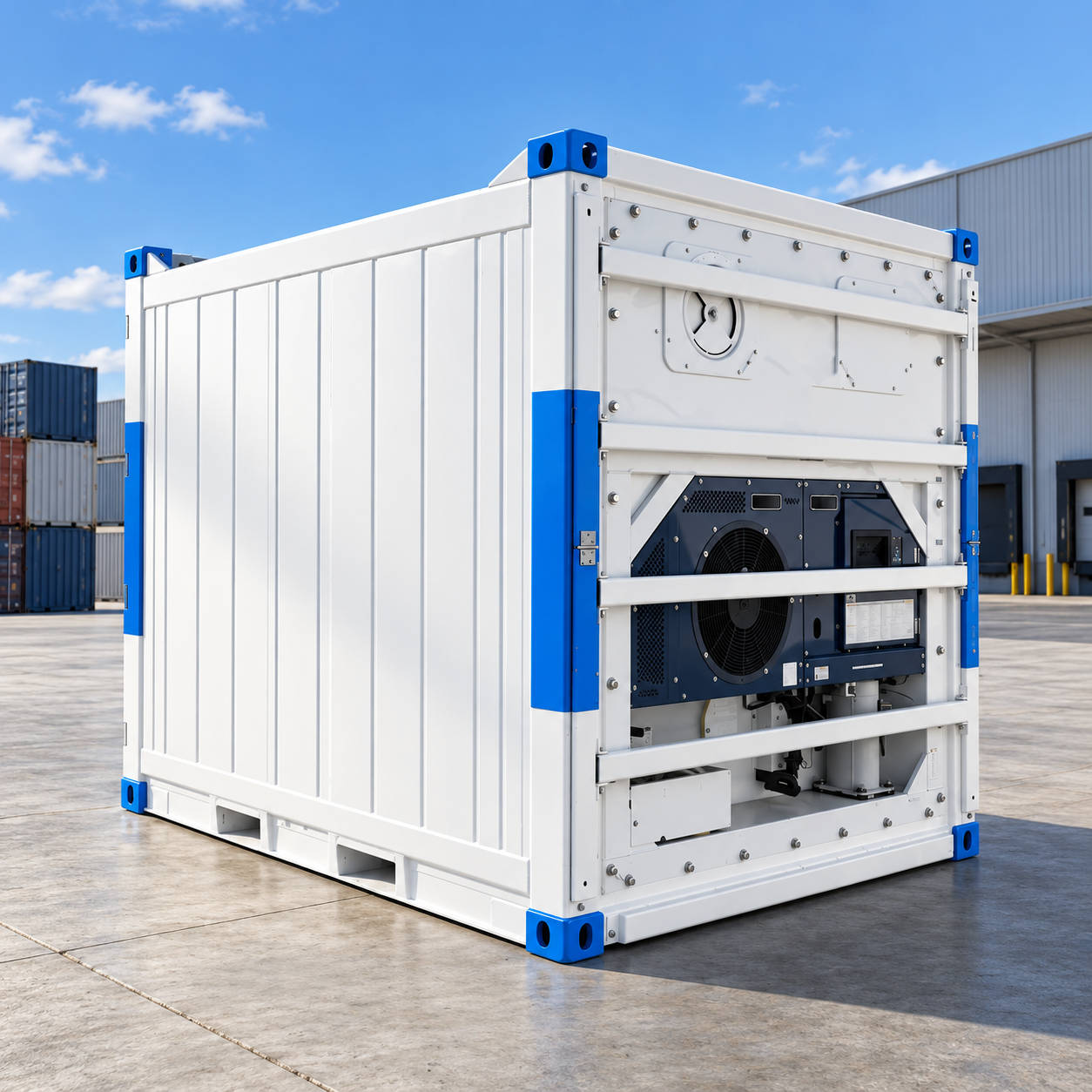
A cold room container is a reefer used as a cool room: it is delivered ready to plug in, holds any set point from -30°C to +30°C and moves when you do. A built cool room is insulated panels and refrigeration plant installed in a building, and it suits a permanent, large or odd-shaped store better. The reefer container vs cold room decision turns on how long you need the space, how big it must be and whether there is a building to put it in. Both can hold food at the temperatures Australian food rules require, so the choice comes down to time, space and money.

This article sits alongside our Refrigerated Containers range.

01

The Two Options in One Table

Set side by side, the two differ most on set-up, size and whether they can move. The container figures are for the standard 10ft, 20ft and 40ft high cube reefers. A cool room vs refrigerated container comparison on these five points covers most decisions.

Cold room container (reefer)Built cool room
Set-upDelivered and plugged inDesigned, built and commissioned on site
SpaceAbout 12.7 m³ (10ft) to 67.6 m³ (40ft high cube), fixedAny size and shape the building allows
Moving itRelocatable by truckStays where it is built
Power32 A three phase, or 240 V single phase to order, with a genset or solar off-gridPlant sized to the room, on the building’s supply
Best forTemporary, seasonal, remote and fastPermanent, large, high-traffic

Either option can keep chilled food at the 5°C or below that the FSANZ temperature control rules require. Both reach freezer temperatures too: a reefer holds any set point from -30°C to +30°C, while a built room’s range depends on the plant and panels specified for it.
02

Set-Up Time and Approvals

A reefer runs as soon as it is placed and powered, while a built cool room is designed, built and commissioned on site. The container arrives on a truck, sits on a level, firm pad and plugs into a 32 A outlet, so once the outlet is live it can be cooling the same day. Councils often treat a container as equipment rather than a building, but the rules vary from one council to the next and with how long it stays, so check with yours before it arrives. A built cool room needs a slab or a room in a building, then panels, refrigeration plant, electrical work and drainage. Its refrigeration work must be done by technicians holding an ARC licence, the installation site follows AS/NZS 5149.3, and building work can bring in the National Construction Code. Each of those steps adds design and trade time before the first delivery goes in.

03

What Drives the Cost

On cost, the cold room vs reefer container question has no single answer, because each option is priced on different things. A container is a fixed unit price plus delivery and an electrician’s outlet, and it holds a resale value because it can be moved or sold on. A built cool room is priced on its size, the panel thickness, the refrigeration plant, the floor, the door type, the installation and any building work around it. Per cubic metre, a built room costs less when it is large and permanent, while a container keeps the advantage for small, short-term or moving needs. Delivery distance matters for both: a container travels once on a truck, while a built room brings its trades and materials to the site. Running costs follow the set point, the insulation and how often the doors open, for both. So the answer to how much a cool room costs starts with three facts: its size, its set point and how long you need it.

04

Power, Running Cost and Off-Grid Sites

A reefer set up as a cool room plugs into a 32 A three phase outlet, or takes a 240 V single phase unit where the site has no three phase, and draws about 3 to 7 kWh an hour, more in hot weather or at a freezer setting. Off the grid, a diesel genset runs it, and some sites set up a solar cold storage container, with panels and batteries sized to the load: our page on solar powered shipping containers covers that side. Because it is a sealed, movable unit, the same box doubles as a cold chain container when stock has to move between sites. A built cool room’s plant is sized to the room and draws on the building’s own supply, which suits a site that already has three phase capacity to spare. Per cubic metre, a large built room usually runs more efficiently than several reefers, because one set of panels and plant serves one big space. For the unit itself, see how reefer containers work.

05

When a Built Cool Room Is the Better Buy

A built cool room is the better buy for a large, permanent store inside a building. Choose one when:

  • the business owns its building, or holds a long lease, and has floor space to give up
  • the store must hold more than a 40ft high cube’s 67.6 m³, or fit an odd-shaped space
  • staff open the door many times a day, and the entry can be designed for that traffic
  • forklifts need to drive in and turn inside, which a 2,290 mm wide container does not allow
  • a container would need planning approval to stand outside

In those cases a built room is the better long-term fit, and it becomes part of the building. It can also be split into chiller and freezer sections behind one entry, where each reefer holds a single set point. A freezer room for a busy commercial kitchen, or a portable cool room fitted inside an existing shed, falls in the same group.

06

When a Reefer Is the Better Buy

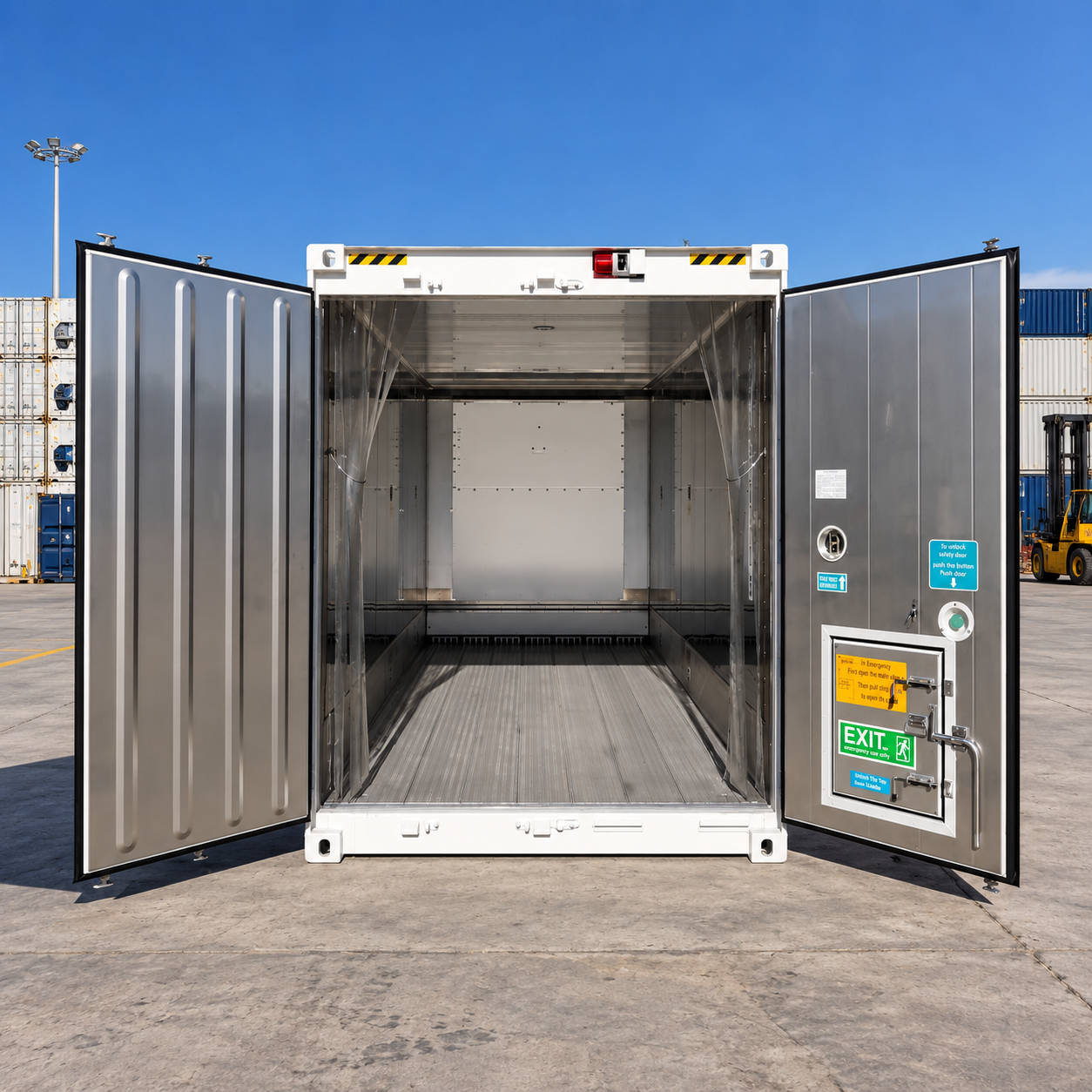
Reefer fitted as a cool room, with strip curtains and an internal release

A reefer is the better buy when the need is temporary, mobile or urgent. Choose one when:

  • the need is seasonal, such as a harvest, a peak trading period or a run of events
  • the premises are leased, and a container leaves with you at the end of the lease
  • the site is remote, such as a mine, a construction camp or a farm far from trades
  • an event needs cold storage for days rather than years
  • extra capacity is needed in a hurry, while a built room is planned
  • there is no building to put a room in

Two or more reefers can also stand side by side as separate chiller and freezer stores, each on its own set point, and a reefer that finishes one job can move to the next, so its cost spreads across several sites. The cool room containers from our range come in 10ft, 20ft and 40ft high cube, each holding -30°C to +30°C and delivered Australia-wide.

FAQ

Questions About Cool Rooms and Containers

How much is a cold room?

It depends on size and build. A built cool room is priced on its size, panel thickness, refrigeration plant, floor, doors and installation, plus any building work. A cold room container is priced as a unit, plus delivery and an outlet. For a quote on a reefer, send the size, the set point and the site address.

Can a shipping container be turned into a freezer?

Not easily. A dry container has bare steel walls, so turning it into a freezer means insulating it and fitting refrigeration plant, which a reefer arrives with, built and tested to ISO 1496-2. If you need a freezer, buy a reefer: it holds down to -30°C once it is placed and plugged in.

Can one cool room hold chilled and frozen stock?

Yes, if it is a built cool room designed with separate chiller and freezer sections behind one entry. A reefer holds one set point at a time, anywhere from -30°C to +30°C, so chilled and frozen stock on the same site means two reefers side by side, each on its own set point.

Does a reefer need a concrete slab?

No. It needs a level, firm pad that will not sink under its corners, which can be compacted ground or hardstand rather than a slab. It also needs about 1.2 m of clear air around the refrigeration unit, a 32 A outlet or a single phase unit suited to the power on site, and room for the delivery truck.

Next step

Ready to talk about your project?

Call 1300 727 269 or send an enquiry. Our Newcastle team will come back with pricing, delivery options and lead times for your site.